
Through this fall and winter, the Museum is proud to exhibit Topaz Stories: Remembering the Japanese American Incarceration in tandem with A Moab Prison Camp, lending a state-wide perspective to this dark period of American history during WWII. The Friends of Topaz collected numerous oral histories and personal reminiscences from survivors and descendants, however not all are currently featured in the Moab Museum space. In this week’s column, we shine the spotlight on a story you won’t find displayed, “The Band’s Visit,” contributed by Yae Wada, as told to Ruth Sasaki.
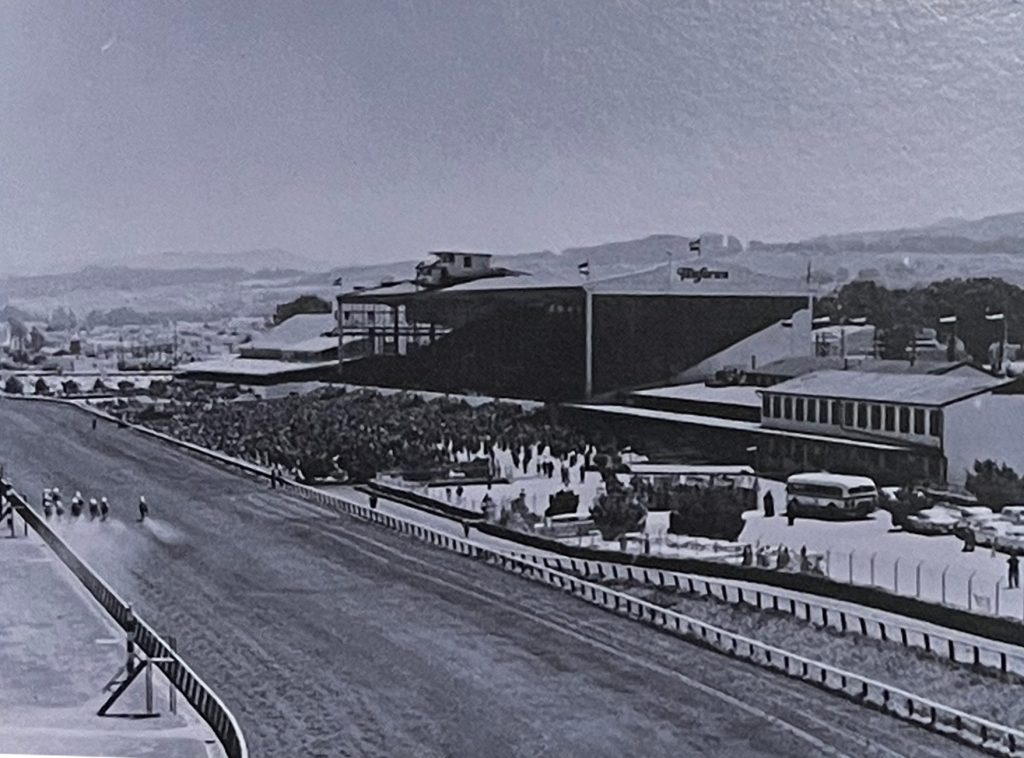
“I was 23 and I was in Tanforan Assembly Center. My school friend from Oakland, Goro Suzuki (most people would remember him as Jack Soo, the actor) was also in Tanforan. I knew his mother first; she taught me and other Nisei (second-generation) girls how to sew. I met Goro when I got called out of a gym class to be his partner in his dance class because he was not allowed to dance with white girls.
Even in camp, Goro liked to entertain and was a terrific singer. He worried about the younger people in camp, and he always tried to think of ways to keep up their morale so that they wouldn’t become angry and get into trouble.
One thing we noticed was how sad the high school seniors were about missing their graduations. They were supposed to graduate in June 1942, but most of us were taken away and locked up in April or May of that year. Goro talked to our mess all cook and asked him if he could bake a cake or something to celebrate the graduation, but the cook refused, saying that he couldn’t make a cake for just a few people, If you did it for one, you would have to do it for all.
When the time came, some schools sent representatives to hand out diplomas in person. They would come on visiting day, and sessions of the grandstand would be designated for different schools. There was no ceremony or anything–just handing our diplomas. One senior complained that he didn’t even get his diploma then because the school representative couldn’t pronounce his name, so he didn’t’ realize he was being called.
But most graduates, like my friend Emi Yamada Ota, who was graduating from an East-Bay high school, remembers that no one came from their school. They received their diplomas by mail. ‘I opened the stall door, and there it was, just dumped on the ground,’ she remembers.
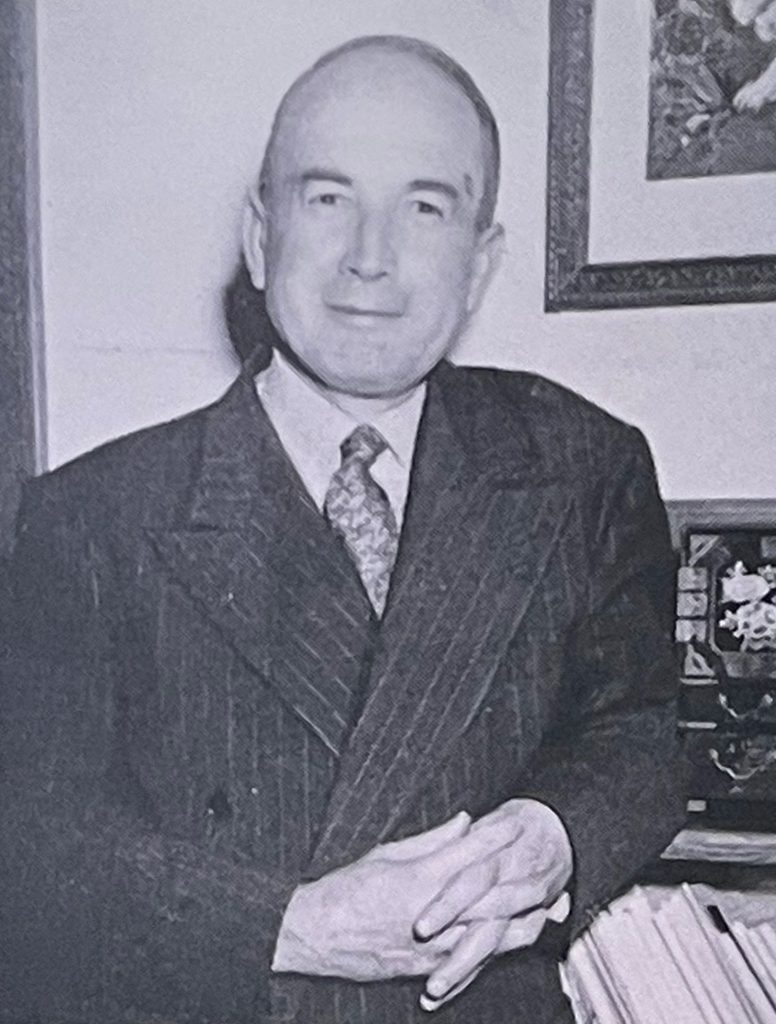
What people remember about the so-called graduation in the bandstand was how quiet it was. It was so depressing–that is, until the San Mateo High School band showed up with their principal, Mr. W. T. Van Voris. Suddenly, everyone was talking in excitement, laughing. Even kids whose high schools were not represented felt that, at last, their day was being celebrated.
That San Mateo High School Band? Someone should thank them.”
Topaz Stories and A Moab Prison Camp are on display at the Museum through December 22nd, 2024. Stop by Tuesday-Saturday to engage in this history, learn about more acts of resilience amidst intense adversity, and hear from the survivors and descendants in their own words, from Delta to Moab.
The Moab Museum is dedicated to sharing stories of the natural and human history of the Moab area. To explore more of Moab’s stories and artifacts, find out about upcoming programs, and become a Member, visit www.moabmuseum.org.
This article was originally published in the Moab Sun News’ Moab History Column, written weekly by Moab Museum staff.